
The Good Data
/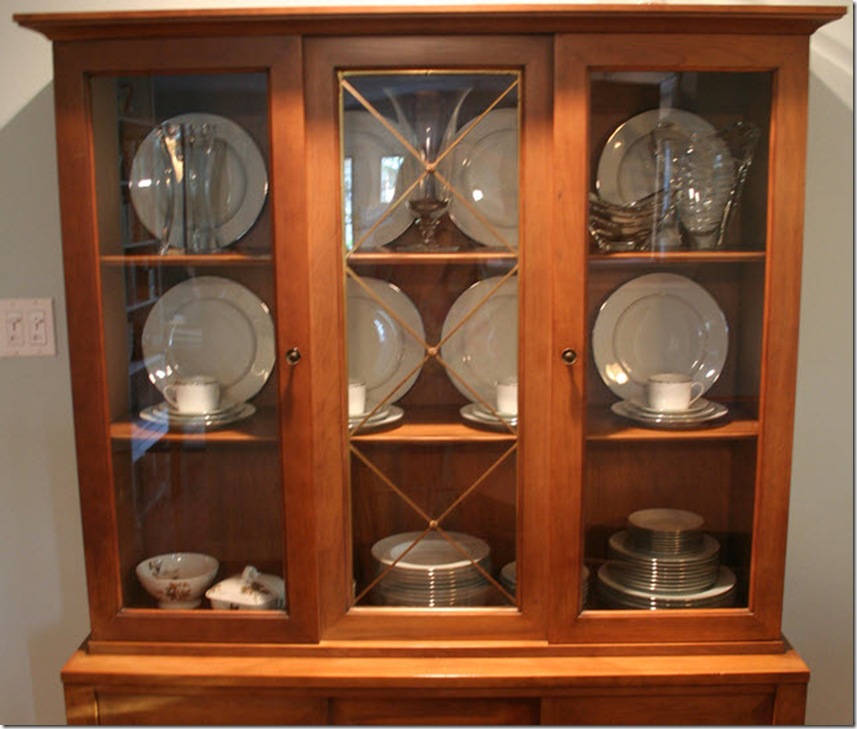
Photo via Flickr (Creative Commons License) by: Philip Fibiger
When I was growing up, my family had a cabinet filled with “the good dishes” that were reserved for use on special occasions, i.e., the plates, bowls, and cups that would only be used for holiday dinners like Thanksgiving or Christmas. The rest of the year, we used “the everyday dishes” that were a random collection of various sets of dishes collected over the years.
Meals using the everyday dishes would seldom have matching plates, bowls, and cups, and if these dishes had a pattern on them once, it was mostly, if not completely, worn down by repeated use and constant washing. Whenever we actually got to use the good dishes, it made the meal seem more special, more fancy, perhaps it even made the food seem like it tasted a little bit better.
Some organizations have a database filled with “the good data” that are reserved for special occasions. In other words, the data prepared for specific business uses such as regulatory compliance and reporting. Meanwhile, the rest of the time, and perhaps in support of daily operations, the organization uses “the everyday data” that is often a random collection of various data sets.
Business activities using the everyday data would seldom use a single source, but instead mash-up data from several sources, perhaps even storing the results in a spreadsheet or a private database—otherwise known by the more nefarious term: data silo.
Most of the time, when organizations discuss their enterprise data management strategy, they focus on building and maintaining the good data. However, unlike the good dishes, the organization tries to force everyone to use the good data even for everyday business activities, and essentially force the organization to throw away the everyday data—to eliminate all those data silos.
But there is a time and a place for both the good dishes and the everyday dishes, as well as paper plates and plastic cups. And yes, even eating with your hands has a time and a place, too.
The same is true for data. Yes, you should build and maintain the good data to be used to support as many business activities as possible. And yes, you should minimize the special occasions where customized data and/or data silos are truly necessary.
But you should also accept that since there is so much data available to the enterprise, and so many business uses for it, that forcing everyone to use only the good data might be preventing your organization from maximizing the full potential of its data.
Related Posts
DQ-View: From Data to Decision
Is your data complete and accurate, but useless to your business?
You Can’t Always Get the Data You Want